
Manchmal habe ich den Eindruck, es geht aktuell nur noch um Künstliche Intelligenz – in dem Sinne: Wir machen alles, damit es der Künstlichen Intelligenz gut geht. Wir geben unsere Daten einfach so her, damit sie in Trainingsdaten gesammelt werden können, und Big Tech daraus ein lukratives Geschäft machen kann. Wir sind damit einverstanden, dass Künstliche Intelligenz halluziniert, Fakes produziert und über Agenten Unternehmen angreift, ohne dafür programmiert zu sein. Die fehlenden Rahmenbedingungen sind durchaus im Sinne von Big Tech – egal welche gesellschaftlichen Konsequenzen das hat.
Berücksichtigt man allerdings, dass Künstliche Intelligenz untrennbar in die Gesellschaft eingebettet ist, so wirkt Künstliche Intelligenz auf die Gesellschaft je mehr die verschiedenen Möglichkeiten genutzt werden. Es gibt somit auch ein gewisses gesellschaftliches Zersetzungspotenzial, was aktuell Demokratien mit ihren freiheitlichen Ansätzen schwer zu schaffen macht.
Darüber hinaus wirkt natürlich auch die Gesellschaft mit ihrem Rechtssystem, dem sozialen System, seinen Werten, ethischen und moralischen Perspektiven usw. auf Künstliche Intelligenz. Das wird allerdings von Big Tech und den damit kooperierenden Strömungen massiv kritisiert – klar.
Die Vorstellung von Big Tech, das sich alle Gesellschaften und Kulturen einfach der Dominanz von Künstlicher Intelligenz anpassen (unterwerfen) sollen, ist allerdings nicht aufgegangen. Siehe dazu auch Bris, A. (2025): SuperEurope: The Unexpected Hero of the 21st Century.
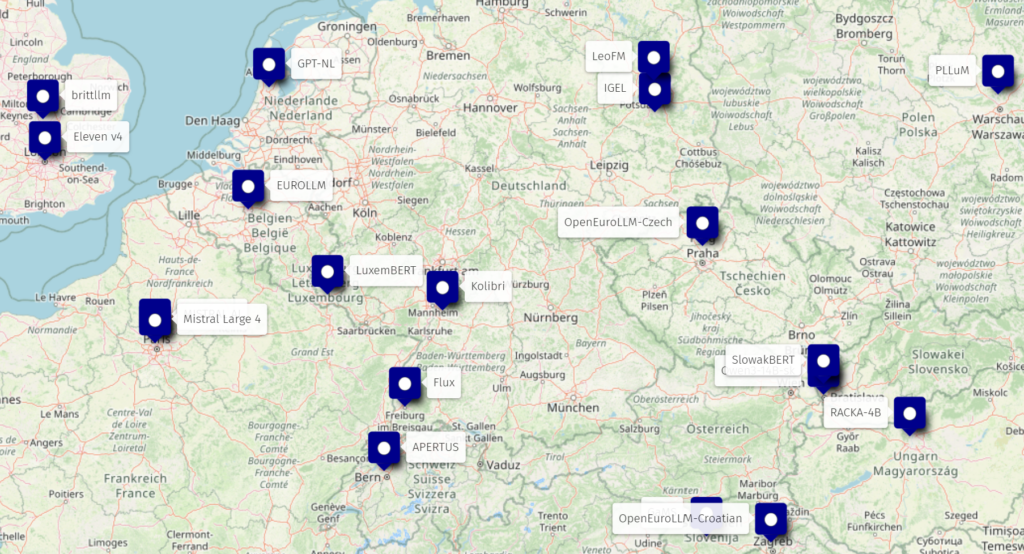
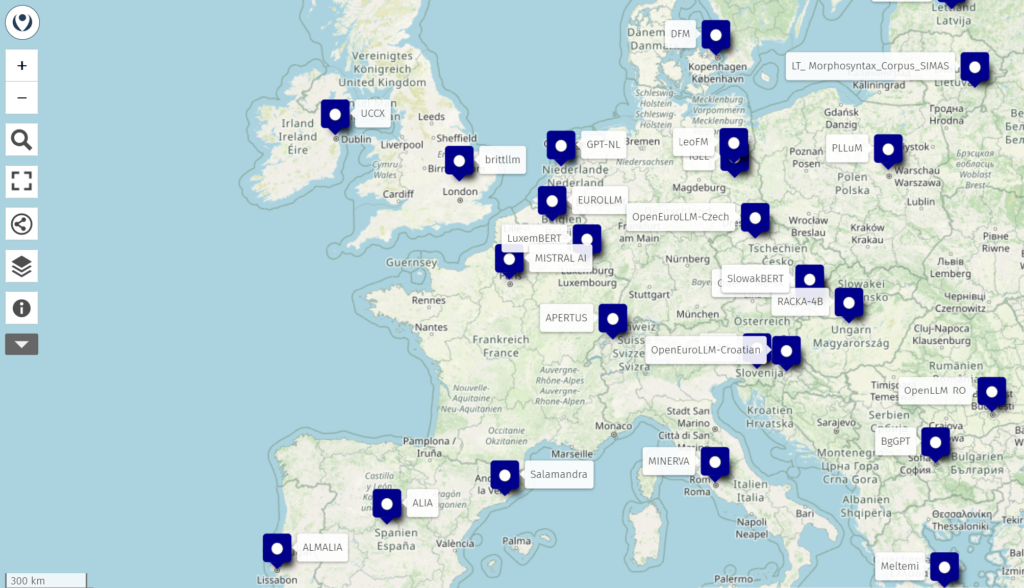
Solche Erkenntnisse kommen spät, doch möglicherweise noch nicht zu spät. Beispielsweise sieht man es in der Entwicklung zu mehr europäischer (Digitaler) Souveränität, zu immer mehr europäischen Open Source AI Modellen oder lokal ausgeführten KI-Modellen oder auch zu Modellen, die die jeweilige Sprache besser abbilden (Siehe meinen Blogbeitrag zu agglutinierenden Sprachen).
Es sind viele kleine Aktivitäten, in allen gesellschaftlichen Bereichen, die Europa Schritt für Schritt unabhängiger machen. Das wird nach Jahrzehnten der Abhängigkeit nicht in ein paar Jahren klappen, doch ist die Tendenz eindeutig.
Das Primat der Gesellschaft über technologische Entwicklungen sollte wiederhergestellt werden – zum Wohle aller und nicht nur zum Wohle einiger.
Dazu habe ich einen passenden Text in einem Paper gefunden:
„Third, as already alluded to above, there is an important societal dimension that needs to be considered within any AI history, as it does not stand separate from its technological dimension. Like all technologies, AI is inherently embedded in society, thus affecting and being affected by the broader environment in which it is designed, developed, and deployed – for better and for worse. The societal impact of Artificial Intelligence is of course more noticeable the more it is being implemented and used in a diversity of domains, which also explains the relatively recent surge of (academic and other) interest in AI ethics, in parallel with the technology’s increased uptake. Yet AI’s uptake is also enabled and furthered by the societal condition. These enabling factors pertain, inter alia, to society’s belief in innovation as an almost absolute good, its technology-solutionist orientation, and its conception of “progress” as almost coinciding with technological advancement rather than also considering if and how these advancements translate into higher individual and societal welfare – for all. Yet if we shape technology and technology also shapes us, it is essential to ask how it can be ensured that this mutual shaping process takes place in a way that protects rather than undermines our legal, moral, and political
standards“ (Smuha 2025).